Plastics engineering and manufacturing, managed from Australia
Good Plastics helps businesses design, develop and manufacture plastic products with one local team responsible for the work.
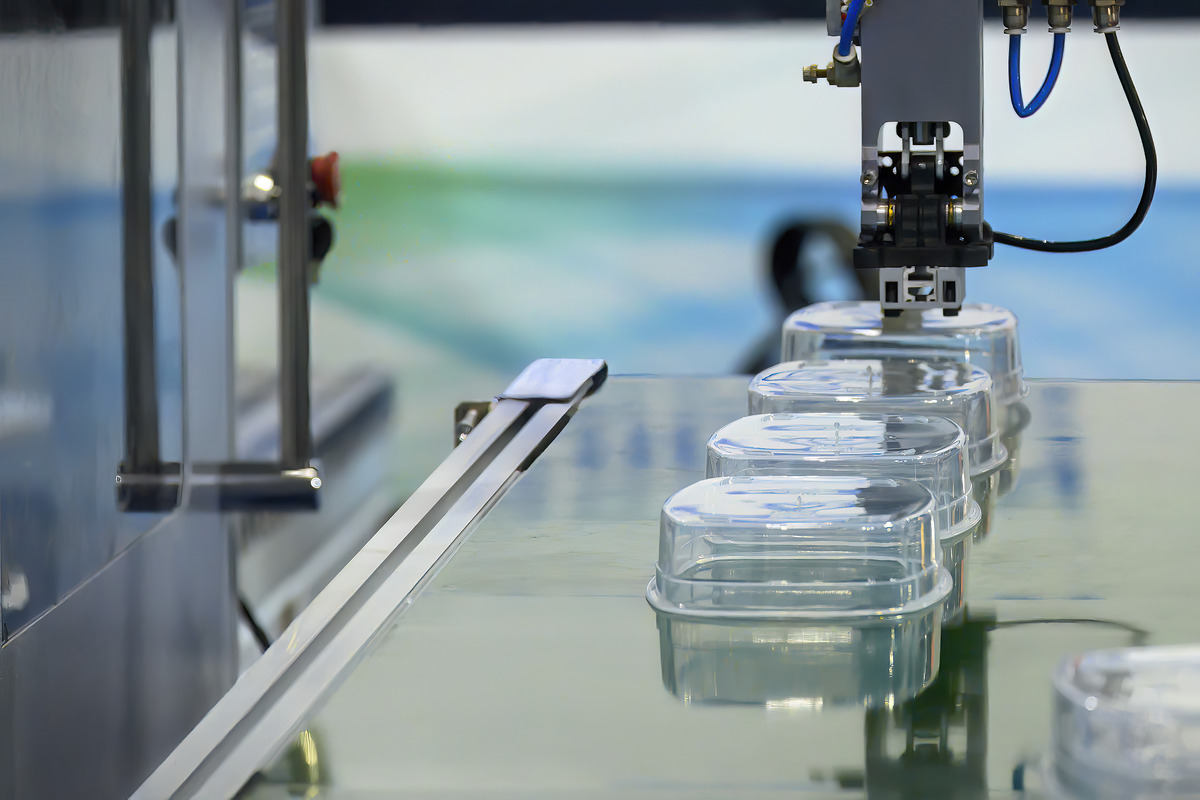
We manage product development, tooling, injection moulding, 3D printing, material selection and production through an audited manufacturing network across Asia, Europe and North America.
You get the capability of international production without losing local engineering control.

Built for demanding work
Good Plastics works with organisations that need components made accurately, repeatedly and to a known standard.
Built for demanding work
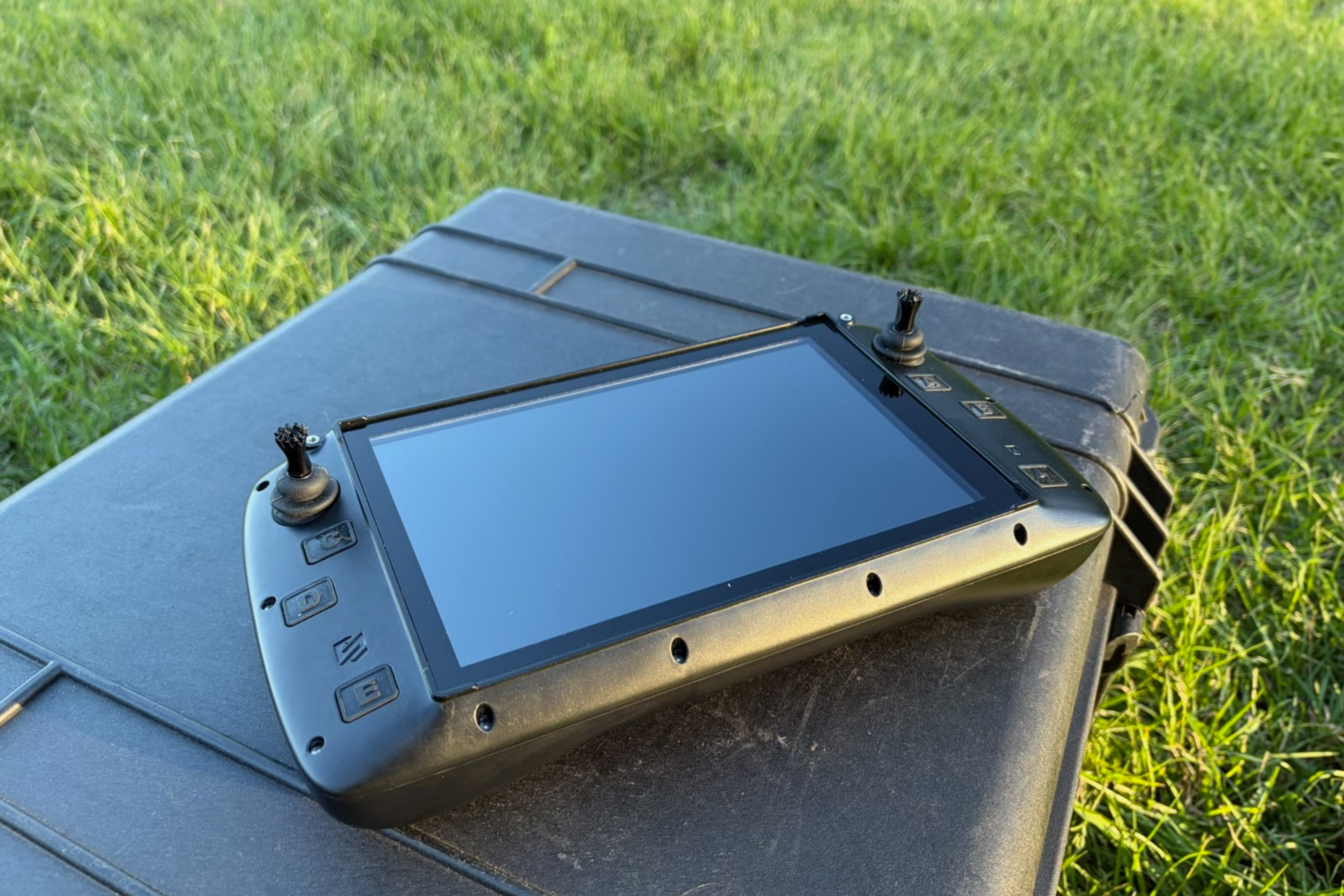
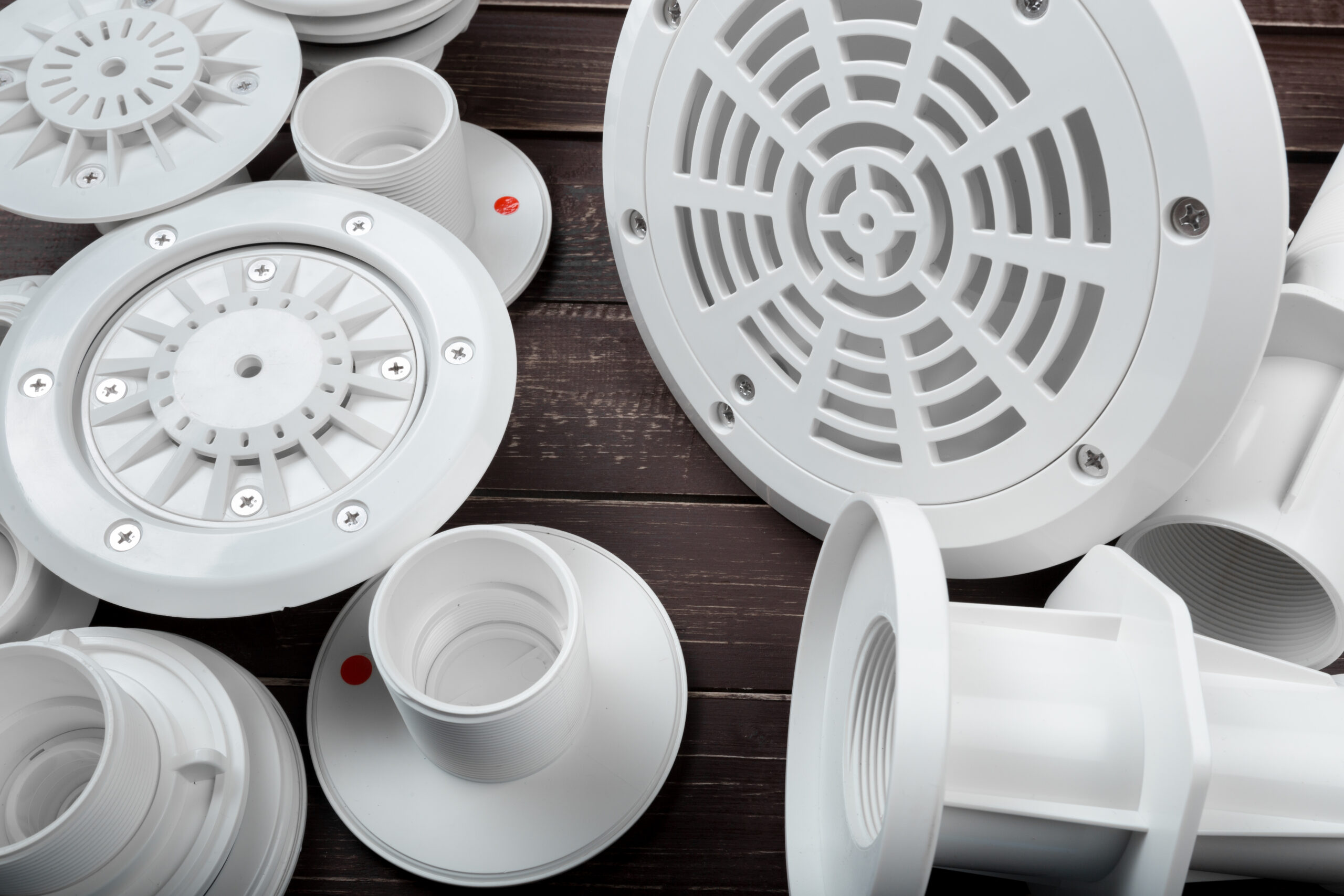
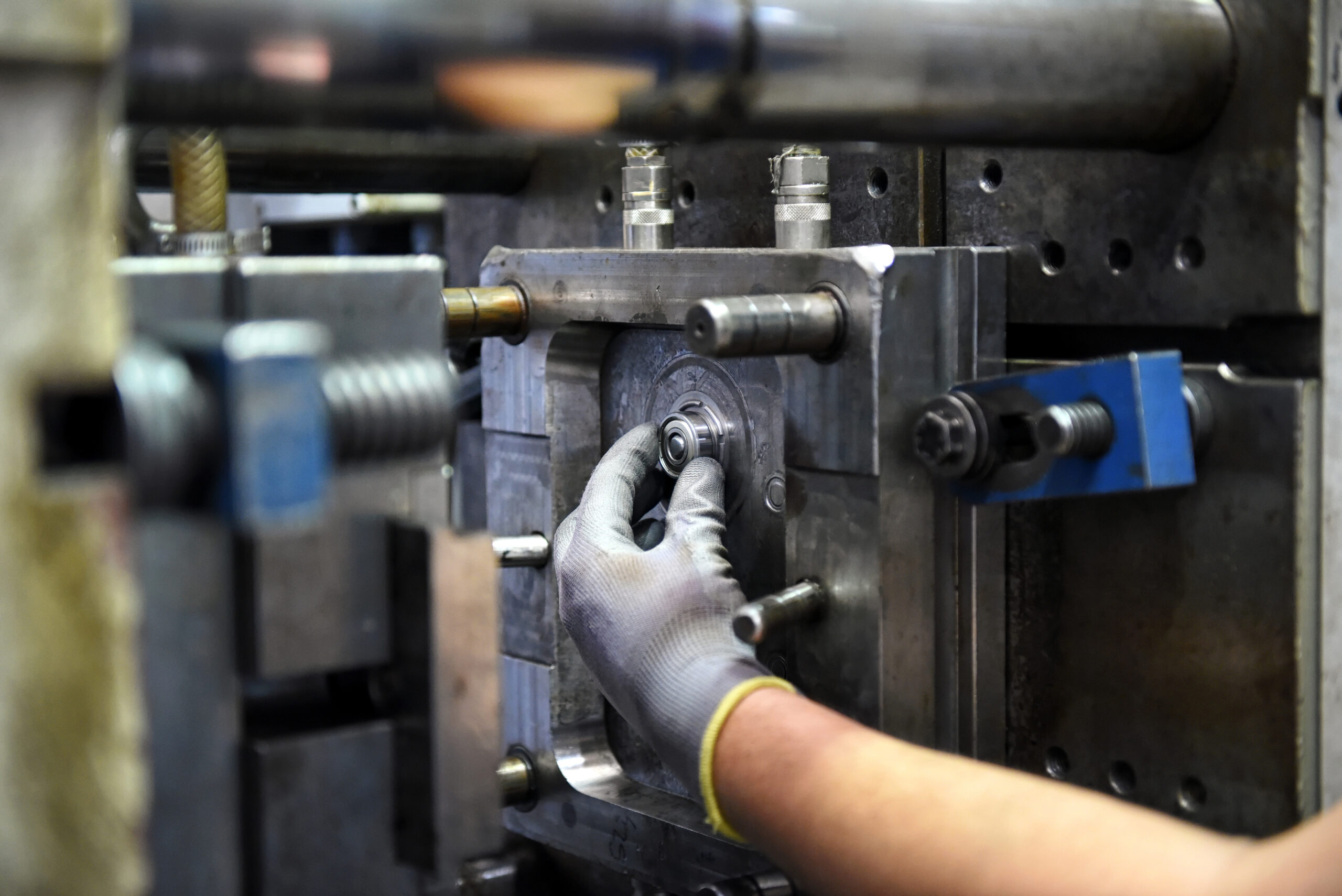
Defence and military
Specialised parts and tooling where quality, durability, confidentiality and delivery matter.
Manufacturing
Product development, tooling and production support for Australian manufacturers that need specialist capability.
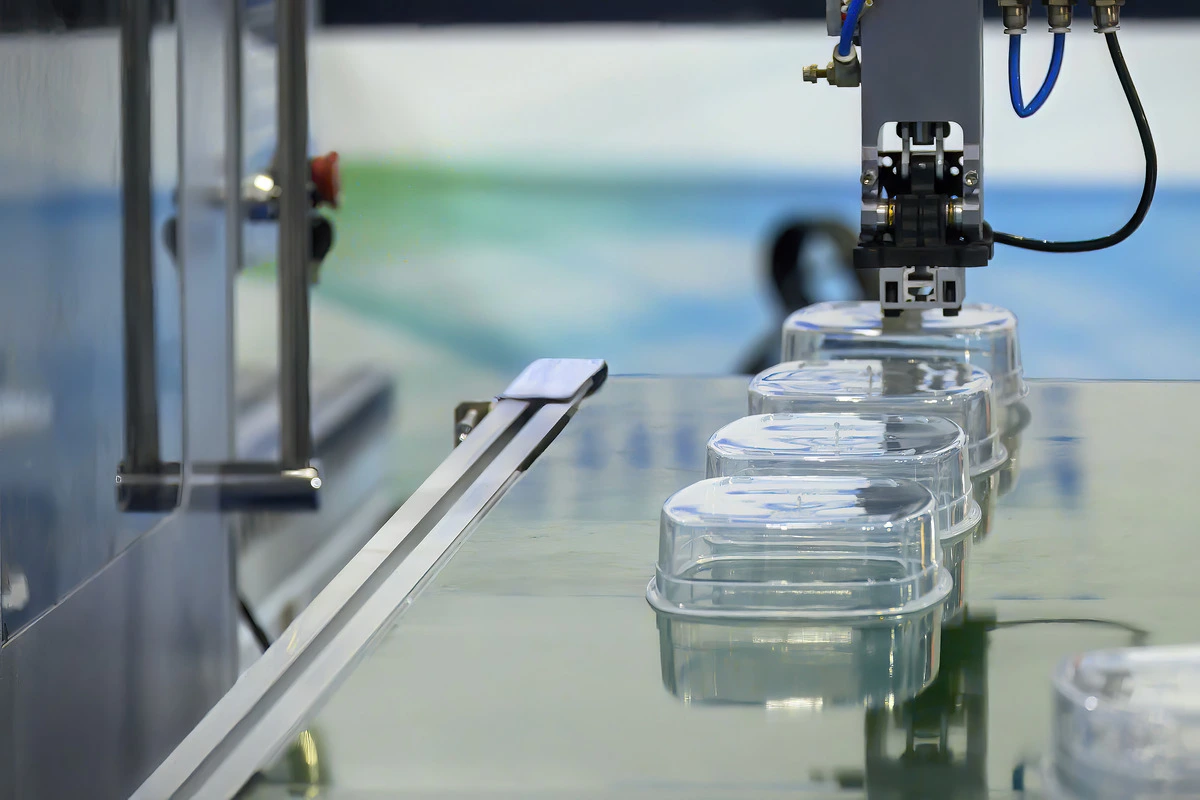
Packaging
Packaging projects where material performance, production and end-of-life requirements need to be considered together.
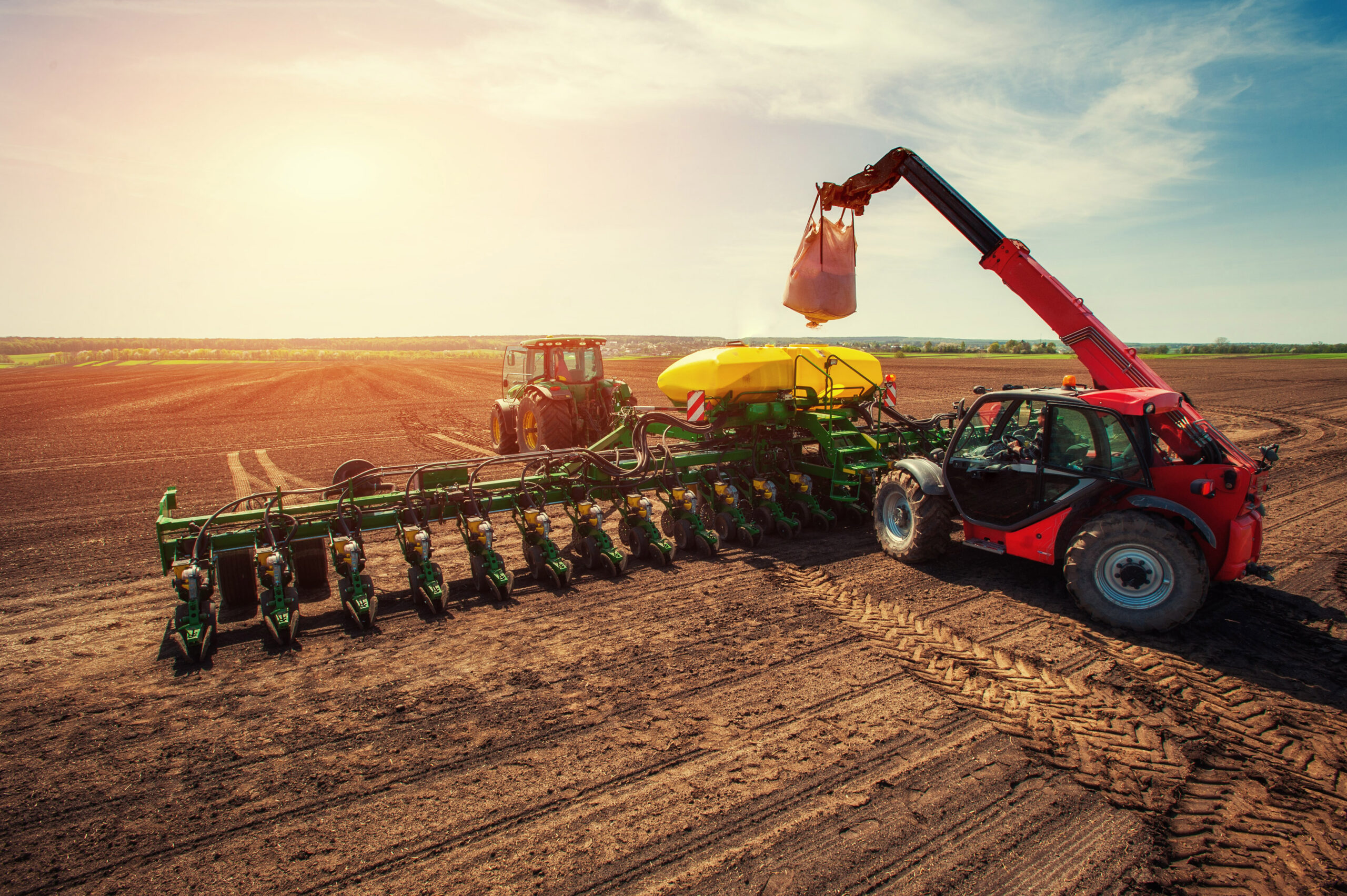
Agriculture
Products and material applications designed for practical use in agricultural settings.
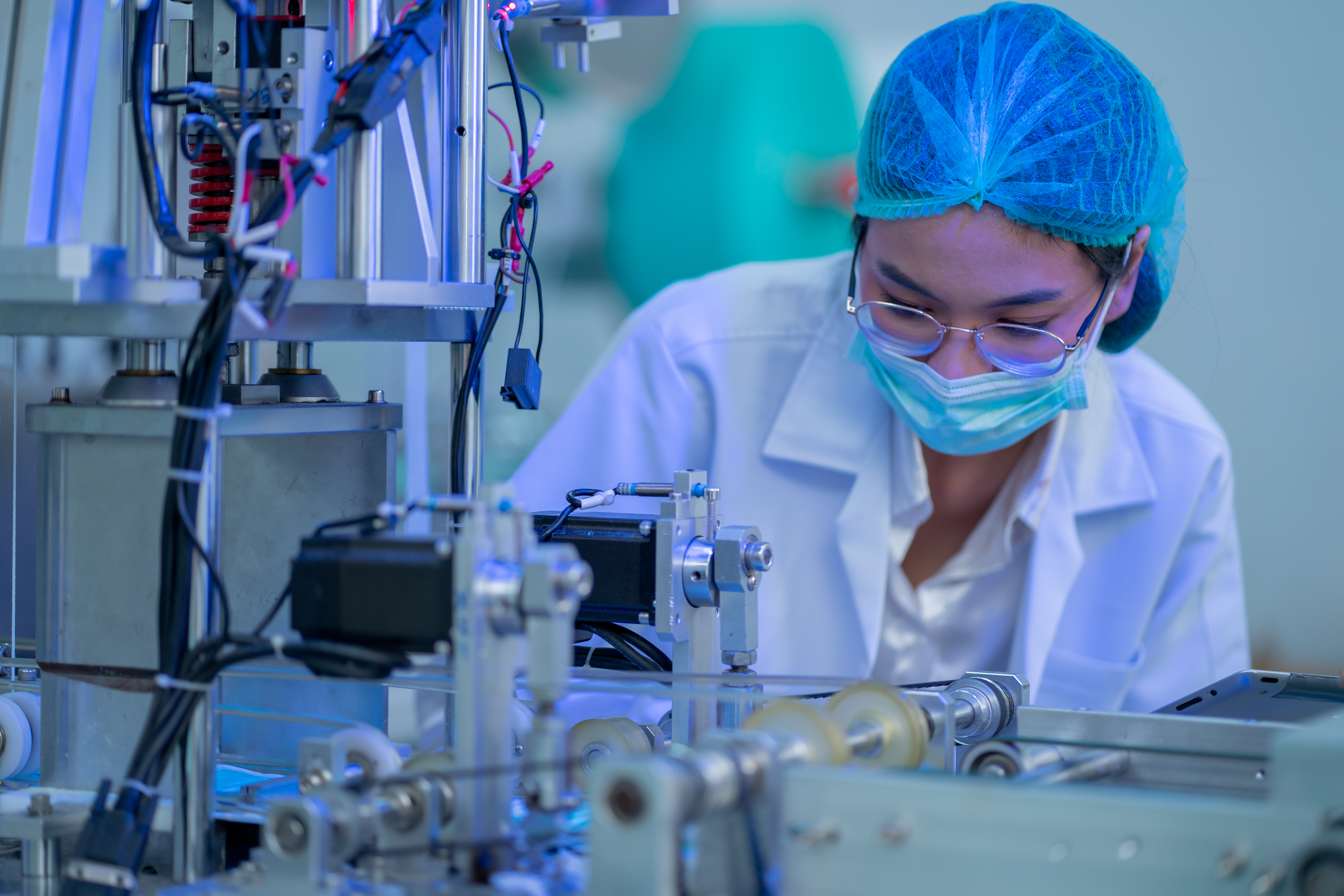
Health and medical
Precision components with specific quality, performance and manufacturing requirements.
Large-scale and complex projects
Complex projects that need an experienced technical partner and a clear point of accountability.
Engineering first
A material claim doesn’t make a product work. The design still needs to be manufacturable. The tooling needs to perform. Production needs to be consistent. The material needs to suit the application. Any environmental claim needs evidence behind it. Good Plastics brings those decisions together early, before problems become expensive.

Local control
Engineering, project management and client communication are handled from Brisbane.
Global manufacturing capability
Projects are matched with suitable partners across Asia, Europe and North America.
Technical depth
Our work covers product design, tooling, injection moulding, advanced 3D printing, materials and production.

Follow-through
When we commit to a deadline, action or outcome, we take responsibility for it.
Better tooling can change the cost of production
Cooling is one of the biggest influences on injection moulding cycle time.
Conformal cooling uses channels that follow the shape of the part inside the mould, allowing heat to be removed more evenly than with conventional straight channels.
On one tooling program, a conformal cooling design developed by Good Plastics reduced the client’s cycle time by 70 per cent.
That meant more parts per hour and a lower production cost per part.
Discuss your tooling requirements
Research that works in real manufacturing conditions
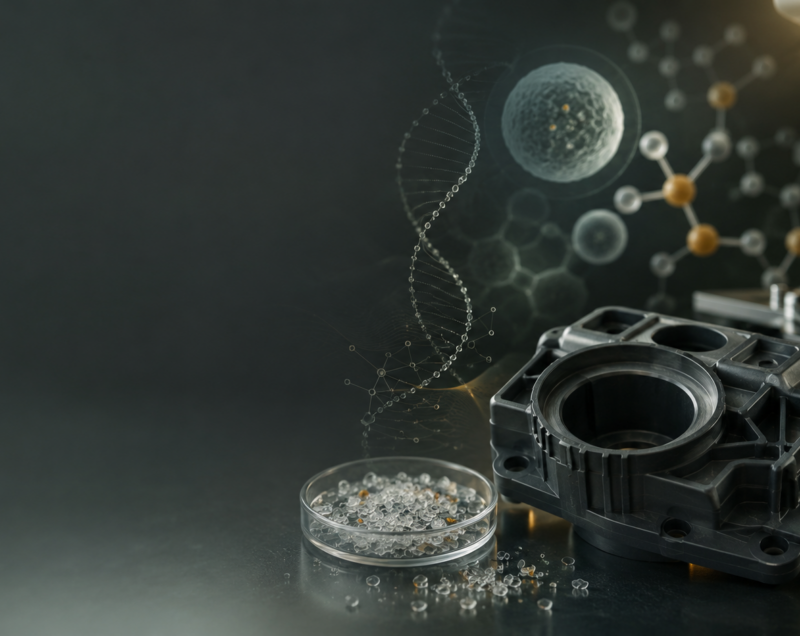
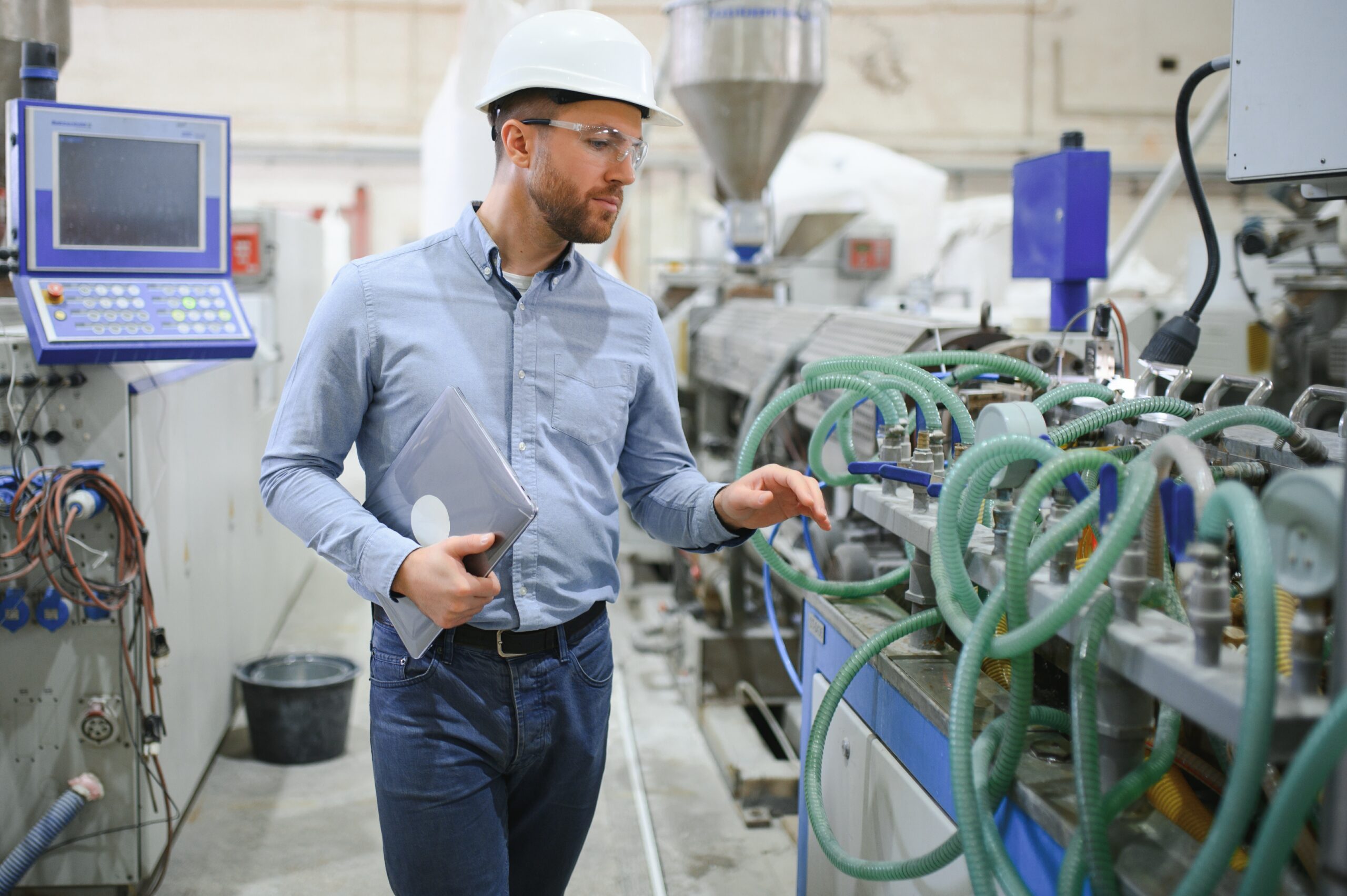
Good Plastics has worked with university research partners to improve the commercial performance of PHA materials.


The aim is practical. Develop materials that can be manufactured reliably, perform as required and be backed by evidence.
Discuss a material challenge.
The Next Life Economy
Most sustainability conversations stop at the material.
We’re interested in what happens after the product has been used.
The Next Life Economy is Good Plastics’ developing approach to recovery, processing and the next use of a material. It starts during product development, not after the product has already entered the market.
For suitable projects, we investigate whether used products can be collected, separated and directed to an appropriate processor.
This work is currently being trialled and developed on a project-by-project basis. The collection and processing pathway will depend on the product, location, material and available infrastructure.
The point is not to make a bigger environmental claim.
It’s to build a pathway that can actually be used.
Clear claims need clear evidence
Words such as biodegradable, compostable, recyclable and sustainable are often used without explaining the conditions behind them.
A material may need a particular temperature, processing system, collection method or commercial facility before the claimed outcome can occur.
We help clients ask the questions that matter:
See how we partnered
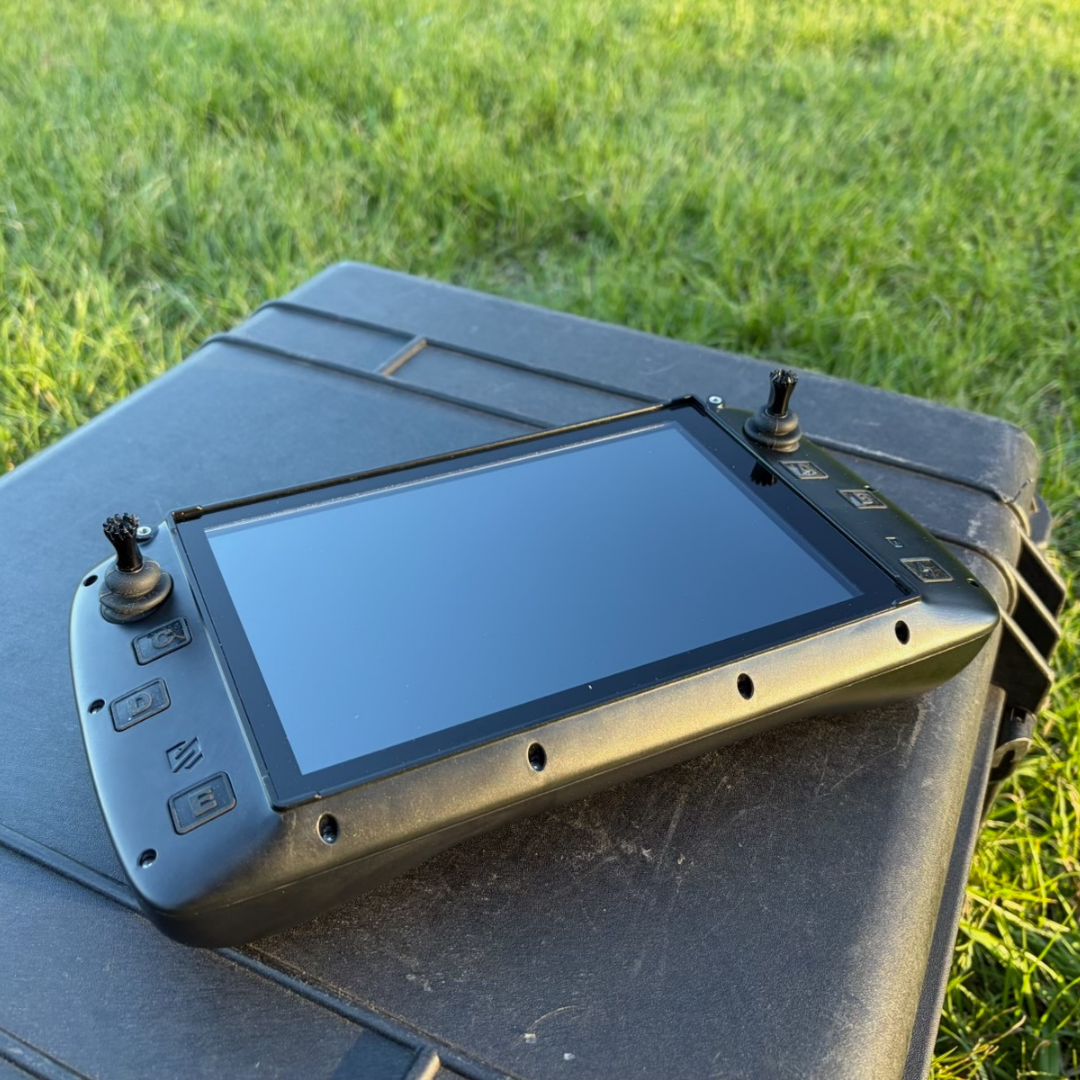
Complex drone components delivered under extreme time pressure
A technology and electronics partner approached Good Plastics with a high-priority drone project.
The parts needed to be durable, accurate and suitable for a nationally significant end user. The timeline was tight, and material availability changed during the project.
Good Plastics reviewed the drawings for injection moulding, identified manufacturability improvements and recommended design changes.
When the preferred material became difficult to source, we developed an alternative formulation, tested the parts, manufactured the moulds and moved into production.
The first production parts were delivered within six weeks, eight weeks ahead of the original expectation for that stage.
The full project was completed one week ahead of our committed timeframe and remained on budget.